
Many people assume dentures are only for older adults. However, if your teeth have become compromised for any number of reasons, dentures can restore oral function while maintaining a natural appearance.
In reality, dentures are a common, effective solution for patients of various ages whose remaining teeth can no longer support their oral health. Knowing your options and the process can help you recognize when it is time to get dentures and make an informed decision about whether they are the best tooth replacement option for you.
How They Help Your Oral Health
Dentures are meant to replace missing teeth along with the surrounding tissue. They are a prosthetic tooth replacement solution that restores your ability to chew, speak, and smile comfortably.
A common misconception people have is that removable dentures are uncomfortable or do not look natural. However, today’s options are custom-made to fit your mouth and can dramatically improve both oral function and your facial appearance by supporting your lips and cheeks. Having dentures also eliminates any discomfort caused by damaged or missing teeth.
6 Signs It’s Time For Dentures
Certain dental health issues may indicate it’s time to consider dentures, especially if tooth replacement options won’t give you the results you’re looking for.
Reasons dentures may be the best option include:
- Extensive tooth loss caused by decay, trauma, or diseases that make chewing and maintaining oral hygiene a challenge.
- Difficulty chewing food and speaking due to missing, loose, or severely damaged teeth.
- Advanced gum disease and bone loss that cause tooth instability and eventually tooth loss.
- Frequent infections or ongoing pain indicate that your remaining teeth cannot be saved.
- Cosmetic concerns due to poor spacing, misalignment, or missing teeth that affect your confidence and facial appearance.
Why Dentures Are Not Just for Older Adults
One of the biggest myths about dentures is that they are only meant for senior citizens. The need for dentures is based on dental health, not age. Patients in their 30s, 40s, and 50s may reach a point when dentures are a viable option due to factors such as tooth decay, genetic conditions, or periodontal disease. Overcoming the stigma behind them can help you take the first step toward getting the dental care you need, regardless of age.
The Different Types of Dentures
Dentures are not one-size-fits-all. There are different kinds that serve different purposes, and the right type for you will depend on your oral health and goals.
Complete or Full Dentures
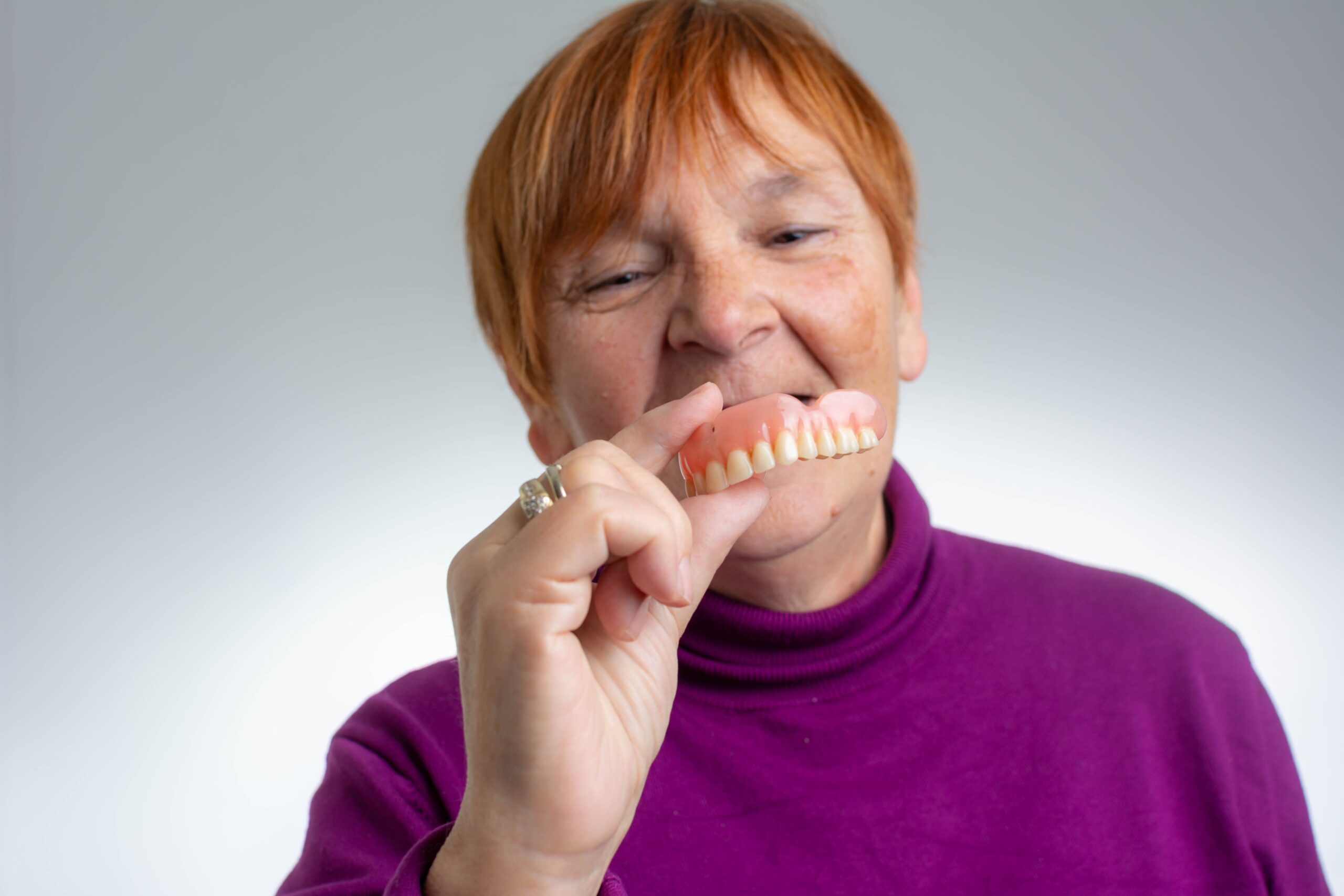
Complete dentures are used when all the teeth in either the upper or lower arch are missing. Conventional full dentures are custom-made and conform to your mouth for the most natural look possible.
Partial Dentures
Partial dentures are for patients who still have some healthy natural teeth. These replacement teeth are set in a gum-colored base, which fits around your existing teeth, helping restore function and prevent adjacent teeth from shifting.
Implant-Supported Dentures
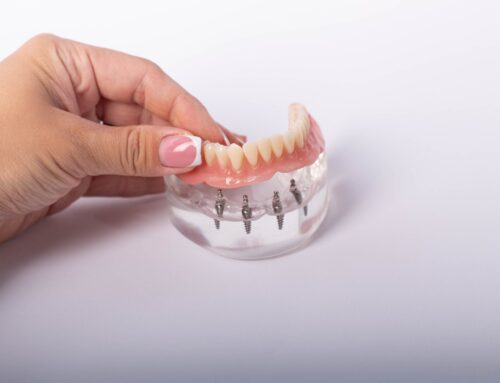
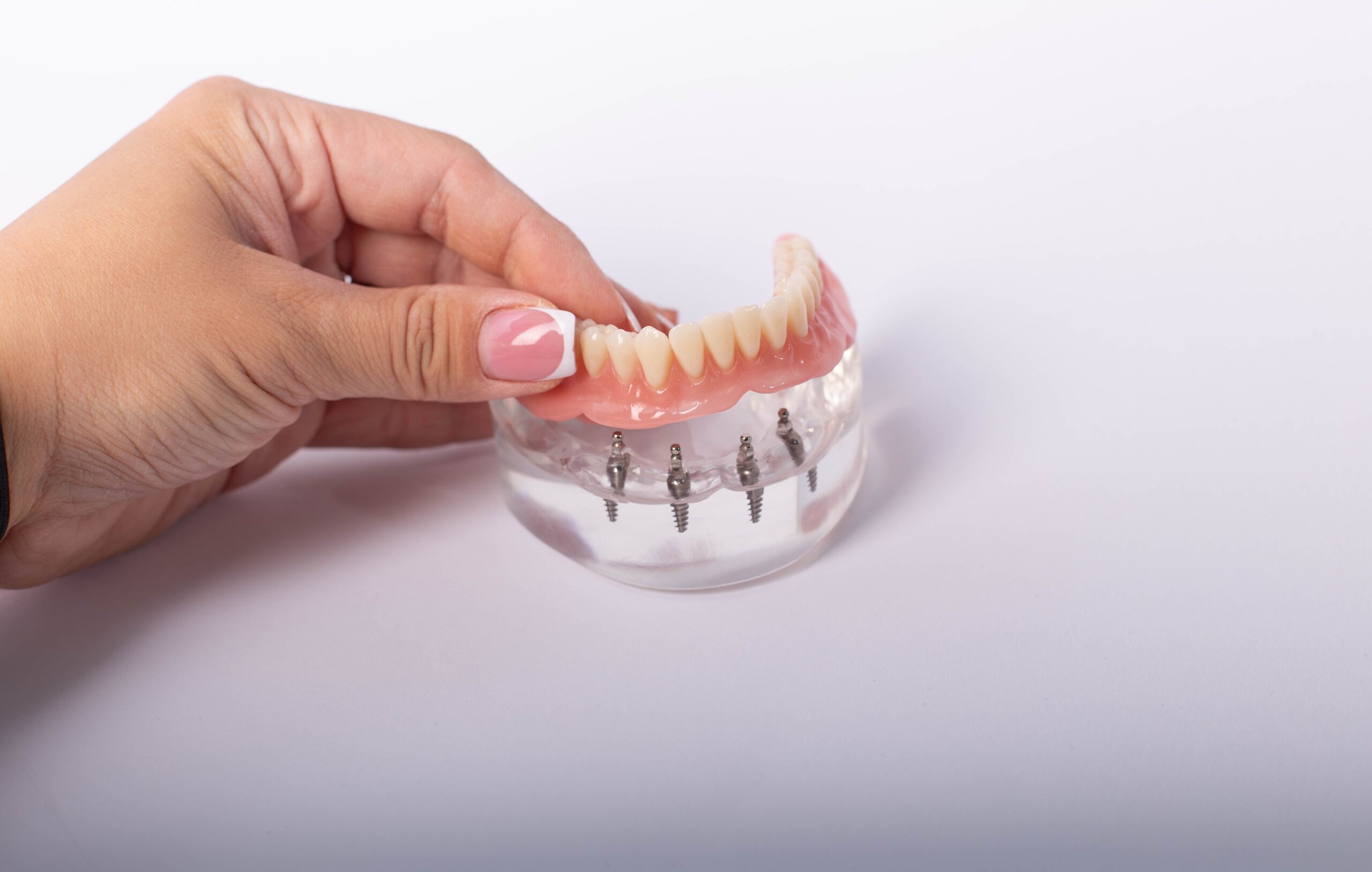
Implant-supported dentures are fixed in place using dental implants placed in the jawbone. This type of denture offers greater stability and comfort than traditional denture options. They can also improve your chewing ability and are ideal for those looking for the most comfortable option.
Immediate Dentures
Immediate dentures are placed during tooth extractions so you do not go without teeth while healing. These are usually a temporary option since they’ll need to be adjusted as your gums change after getting teeth removed.
Dentures vs. Other Tooth Replacement Options
Dental implants or bridges are common tooth replacement options. However, when multiple teeth are compromised, there is significant bone loss, or your remaining teeth are not healthy enough to support any type of restoration, dentures are the most practical and cost-effective solution. Getting a professional evaluation is the best way to determine the right replacement option based on your specific dental needs.
What to Expect During the Process
Understanding everything that goes into getting dentures can make it feel less overwhelming, especially if you struggle with dental anxiety. Here’s a quick step-by-step overview of what your appointments will look like:
- A comprehensive exam and digital imaging to assess the condition of your oral health
- Treatment of gum disease and any necessary tooth extractions needed for dentures
- Detailed impressions of your mouth to create a custom, comfortable fit
- Placement and fitting of your dentures, followed by an adjustment period
- Follow-up visits to ensure a proper fit, functionality, and comfort
Long-Term Denture Care
Proper denture care can help them last longer and prevent problems caused by not cleaning them regularly or fit issues.
- Clean dentures daily with the proper products
- Remove them at night to allow your gums to rest
- Get regular dental checkups to monitor for any issues
- Have dentures adjusted as your mouth changes over time
Take the First Step Toward a Healthier, More Comfortable Smile
Getting dentures is a major step toward restoring your oral health and function. Being aware of the different types of dentures and knowing when it’s time to consider them allows you to address your dental issues before they significantly impact your life.
If you are experiencing discomfort, difficulty eating or speaking, or you simply want to feel confident about your smile, we’re here to help you decide when it’s the right time for dentures and develop a treatment plan that’s best for you. Contact us today to schedule a consultation.