Teeth whitening and dental bleaching treatments are usually safe for most people, if your teeth are healthy and the treatment is done professionally. The safety of teeth whitening is often a concern, stemming from common worries about damaging your enamel, causing extreme sensitivity, or other long-term issues. Those are valid concerns, especially with so many whitening options and DIY trends on the market.
The good news is that if you want to whiten your teeth, there’s typically nothing to worry about. The key is to choose the right dentist for professional treatments and make sure your teeth and gums are healthy and can handle the bleaching agents.
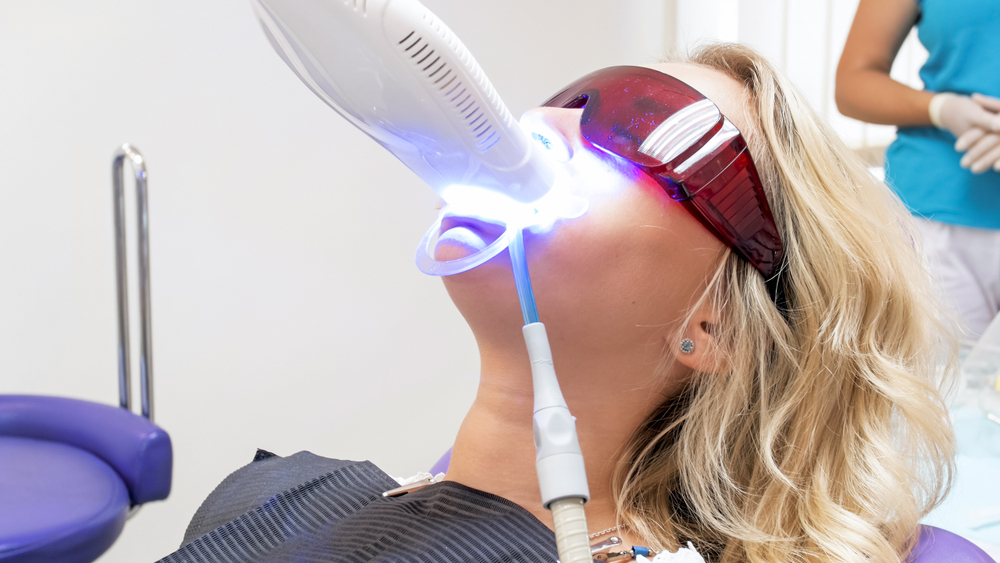
How Professional Treatments Work
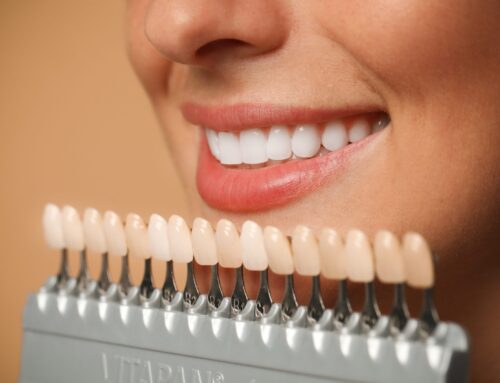
The process of whitening your teeth involves breaking down stains that have built up in your enamel over time. Most treatments use hydrogen peroxide or carbamide peroxide as the active ingredient. Both of these penetrate your enamel, and as the stains start to dissipate, your teeth start to look brighter.
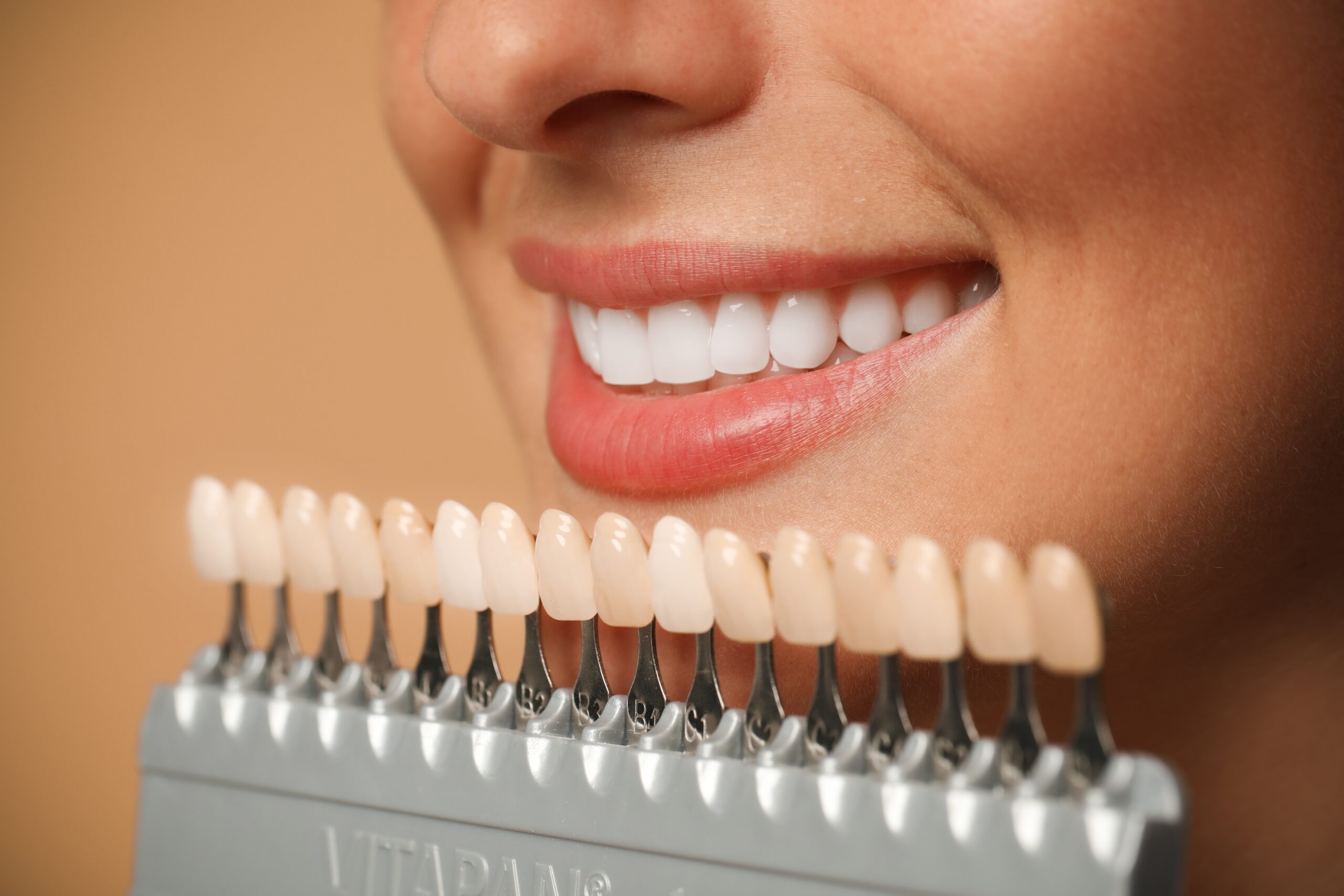
Professional teeth whitening improves the color of your teeth by lifting deeper stains, as opposed to surface stain removal, which only removes those on the outermost layer of your teeth caused by coffee, tea, or food. Whitening works best on your natural enamel and can be very effective for yellow-toned stains.
What Makes Teeth Whitening Safe?
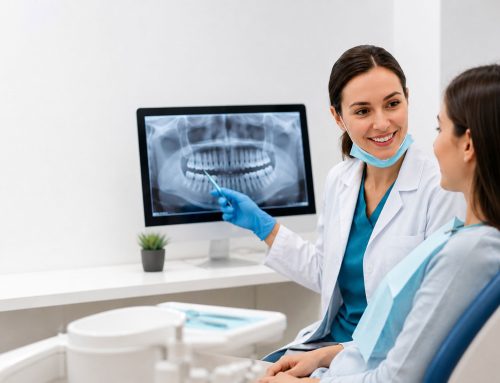
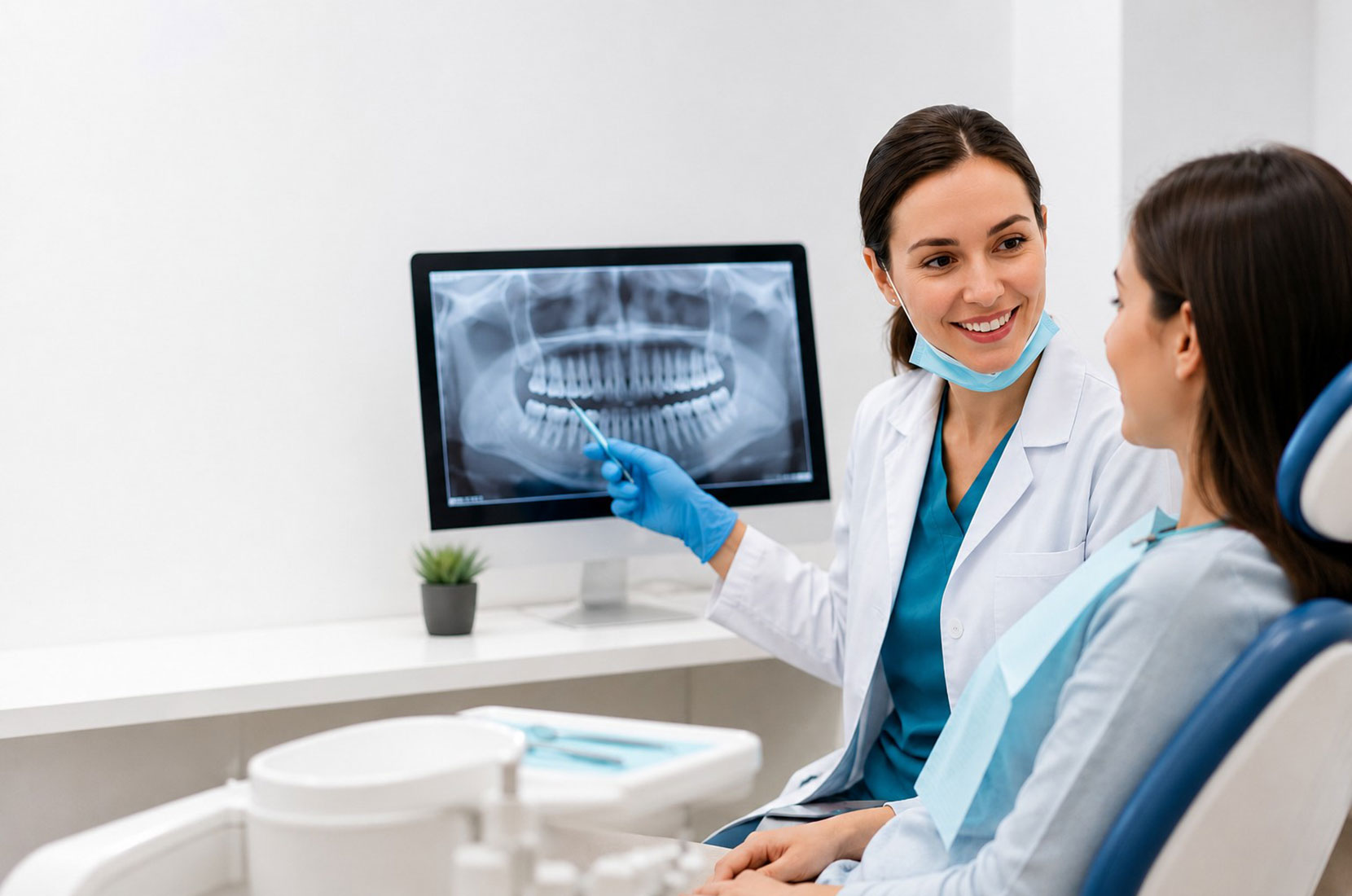
Professional whitening is often considered the safest dental bleaching option since the treatments are supervised and tailored to your teeth and whitening goals. Having your whitening done at a dentist’s office, instead of doing it yourself, means they can examine your teeth and gums before starting and recommend the right approach to reduce the risk of tooth sensitivity or gum irritation.
The safest way to whiten your teeth isn’t just about the method you choose. It starts with understanding the condition of your teeth and gums and getting any issues addressed first. Whitening healthy teeth is very different from whitening teeth with untreated cavities, gum recession, or exposed roots.
Does Bleaching Your Teeth Damage Enamel?
One of the more serious concerns with teeth whitening is whether it can wear down or weaken your enamel. The good news is that under normal circumstances, teeth whitening will not cause enamel erosion. Teeth whitening does not scrape enamel or remove tooth structure when it is done properly.
Dentist-grade whitening solutions typically contain peroxide-based ingredients that break apart stain molecules inside your teeth, rather than stripping away enamel. True whitening works by lifting stains from within the tooth, not by wearing down the outer surface.
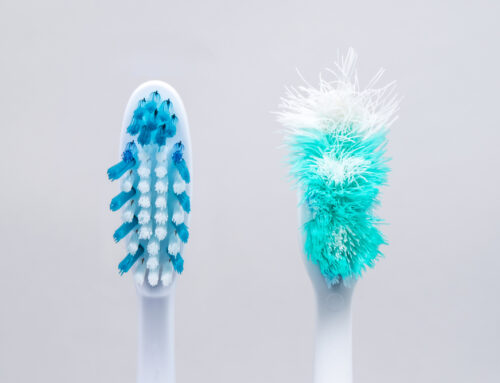
Whitening treatments done in a dental office are not the same as abrasive stain-removal products. Some whitening toothpastes, charcoal powders, and DIY scrubs remove surface stains through abrasion, which can wear enamel over time if used too often. That is the real danger of whitening your teeth, not from professionally guided whitening, but from using harsh or abrasive methods too often.
Common Side Effects to Look Out For
Most side effects of whitening treatments are mild and temporary, especially when it is done correctly. There are a few things you’ll notice right after treatment that are normal and should improve within a few days.
Common side effects can include:
- Temporary tooth sensitivity
- Mild gum irritation
- A slightly dry or chalky look right after treatment
- Minor shade disparities as some areas whiten faster than others
These side effects are temporary and should improve on their own within a few days. Mild sensitivity is the most common of these reactions and should fade quickly. Lingering pain or sensitivity, gum burns, or discomfort that gets worse instead of better is not normal. If you’re experiencing prolonged side effects, you should make an appointment with your dentist.
Are Store-Bought or DIY Options Safe?
Some over-the-counter whitening products are typically safe when used correctly. Whitening strips and other ADA-accepted products are generally lower risk than unregulated whitening kits sold online.
At-home whitening pens, trays, or strips are safest when you follow the directions exactly and avoid overuse. Many common concerns about the safety of teeth whitening stem from misuse, not the product itself.
What to Watch for With Over-the-Counter Whitening Products
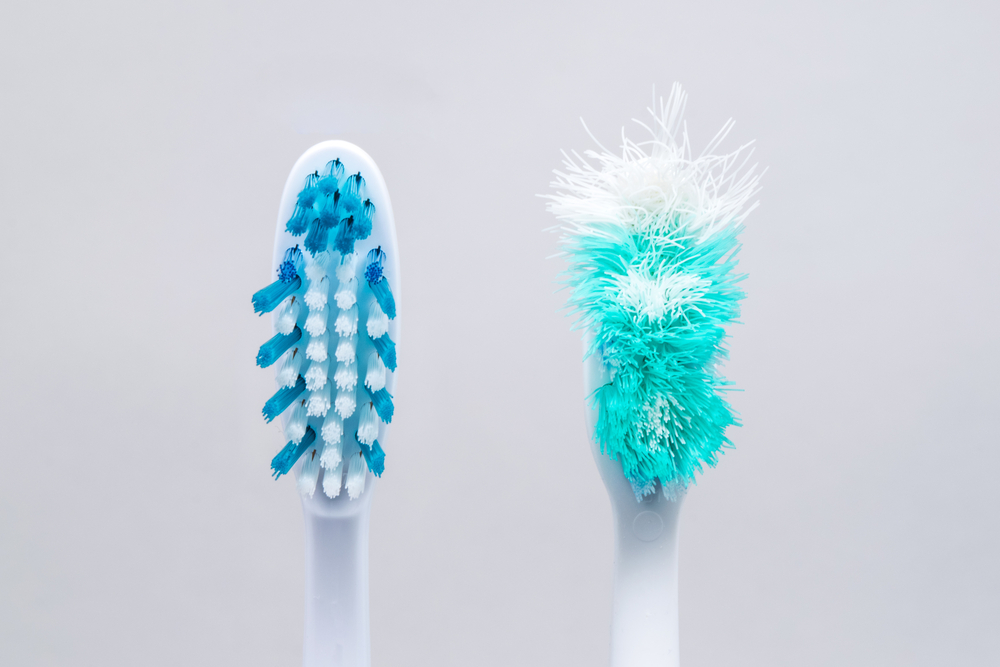
The biggest concern with store-bought whitening usually comes from how they’re used. Poorly fitting trays, leaving whitening gel on too long, using them too often, and continuously exposing your gums to bleaching agents can all increase the risk of irritation and sensitivity.
You should also think twice before trying any DIY whitening trends. Charcoal powders, lemon juice, and baking soda scrubs are often marketed as natural alternatives, but are usually too abrasive or acidic, causing gum irritation and enamel erosion. If you’re whitening at home, what product you use and how you use it matter when it comes to protecting your oral health.
Who Should Avoid Teeth Whitening?
You may want to delay or avoid whitening treatments if you have:
- Untreated cavities
- Gum disease
- Exposed roots
- Cracked teeth
- Severe sensitivity
- Pregnancy or breastfeeding
- Crowns, veneers, or fillings on front teeth
These can affect both the safety and results of your treatment. Dental bleaching can make any existing sensitivity worse, irritate already vulnerable gums, or lead to uneven color if you have visible dental work. Getting a dental exam before any whitening can address these health conditions early, so your treatment is both safe and effective.
How to Whiten Your Teeth Safely
The safest way to get whiter teeth starts with good teeth-whitening habits. To whiten more safely:
- Start with a dental exam and teeth cleaning
- Use dentist-approved products
- Follow post-care directions exactly
- Avoid overuse
- Space out treatments
- Use sensitivity-friendly toothpaste if needed
- Avoid acidic or abrasive DIY whitening hacks
When to Talk to a Dentist About Lingering Side Effects
Professional teeth whitening gives you a brighter smile without causing lasting discomfort. If you’re dealing with lingering pain or other side effects after a few days or lasting for weeks, it’s a good idea to check in with your dentist.
In many cases, a simple follow-up is all it takes to make sure your teeth are tolerating the bleaching agents and you’re getting the results you want. If getting your teeth whitened reveals any pre-existing dental issues, your dentist can recommend any necessary dental procedures and help you protect your smile so you can have a healthy smile and eventually get the whitening treatments you want.
A brighter smile should be a confidence boost, not a source of discomfort. The safest way to whiten is to do it in a dentist’s office, so you know you’re getting the best care and results possible.