
Summer usually means your routines are a little more relaxed, especially for families, and sometimes that includes your dental routine. Between vacations, late bedtimes, sports, snacks on the go, and long days in the Georgia heat, it becomes much easier to fall into poor oral hygiene habits.
Dental care during summer does not need to be complicated. Following a few simple habits can help protect your teeth through vacations, camp schedules, pool days, and everything in between.
Why Summer Can Be Hard on Your Teeth
Although summer can give you more freedom when it comes to your schedule, it’s likely to cause some dental issues. As your schedule fluctuates, so do your habits, typically. Changes like taking more time off work, staying up late, and slower mornings can make brushing easier to forget. Summer is also a common time to travel, and vacations can throw off your normal routine.
For kids, being out of school means camps, sleepovers, and less day-to-day supervision, which can make it easier to forget to brush and floss. Being out of school also tends to lead to more frequent snacking, more sugary drinks, and more time spent outdoors.
The combination of a relaxed routine and more snacks can lead to increased plaque buildup and a higher risk of cavities.
Keep a Simple Summer Oral Care Routine
One of the best oral hygiene summer tips is to keep things simple. There is no need to maintain a flawless schedule to take care of your teeth and gums, you just need to be consistent. Brushing twice a day and flossing once a day still matter, and keeping up with both will make a big difference in combating the sugar in ice cream, popsicles, and other summer treats.
Building them into parts of your day that don’t change is a good way to stay consistent, like right when you wake up and before bed. That makes it easier to stay on track, even when the rest of the day can vary depending on your schedule. This is good advice for beyond summer if you struggle to brush and floss regularly.
For kids, reminders like a checklist on the bathroom mirror, setting an alarm, or a quick reminder before bed can go a long way. It’s a good idea to keep travel-size toothbrushes, toothpaste, and floss ready in case you find yourself away from home or will be getting back after bedtime.
Consistency matters more than perfection. Missing one instance is not the problem, letting your dental habits slide for weeks is.
Why Hydration Matters More in Summer
When you spend more time outdoors, traveling, or staying active in the heat, you are more likely to become dehydrated. Keep water bottles handy and make water the default between meals when possible. Your mouth depends on healthy saliva production to wash away food particles, neutralize acids, and shield your enamel from bacteria.
If your mouth gets dry, bacteria can build up more easily and can cause bad breath, plaque buildup, and an increased risk of cavities. It’s important to drink plenty of water during summer so you stay hydrated and protect yourself from overheating.
Summer Snacks and Drinks That Can Wear Down Your Teeth
What your family eats and drinks during summer can impact oral health more than you might realize. Between pool snacks, sports drinks, sweet treats, and grazing throughout the day, summer snacking can take a toll on your teeth.
Foods and Drinks That Are Hard on Your Teeth
Even seemingly harmless ones, many popular summer foods and drinks are not good for your teeth. They are usually sugary or acidic, which can increase your risk of cavities and gradually wear down your enamel. Be mindful of what you’re consuming on a typical summer day.
Here are some summer favorites you should limit:
- Sports drinks
- Lemonade
- Soda
- Sweet tea
- Flavored waters
- Iced coffee
- Popsicles
- Dried fruit
- Chips
- Fruit snacks
A big part of what makes these potentially harmful to your teeth is how you consume them. Sipping sugary drinks or snacking frequently exposes your teeth to them for much longer than when you have them as part of a meal.
Better Snack and Drink Options
- Water
- Cheese
- Yogurt
- Apples
- Cucumbers
- Nuts
- Watermelon
These options are easier on your enamel because they’re less likely to stick to your teeth, making them better for summer snacking and good for hydration.
Simple Ways to Reduce Risk
These small adjustments can help protect your teeth without cutting out all your summer favorites.
- Drink water between sugary or acidic foods and drinks
- Use a straw when possible
- Rinse your mouth with water after eating or drinking
- Avoid constant grazing throughout the day
Travel Tips for Healthy Teeth on the Go
Travel can make dental habits easier to forget, especially during long days away from home. Here’s a checklist for a travel dental care kit:
- Toothbrush
- Toothpaste
- Floss picks
- Travel mouthwash
- Retainer case
Even when your day deviates from your normal schedule, brushing at the end of the day before bed is the most important time. However, if brushing right away is not realistic, rinsing with water is still better than doing nothing.
Road trips, flights, and long travel days can mean more frequent eating and fewer chances to brush. Planning ahead makes it easier to stay consistent with your oral health without overthinking.
Summer Dental Tips for Kids
Summer usually comes with more independence for kids, which can be great for confidence but not always great for their dental habits. When children are bouncing between camps, sleepovers, grandparents’ houses, and summer activities, brushing and flossing can easily become an afterthought unless it is built into the plan.
A few simple ways to prioritize oral health for kids during summer are:
- Let your child pick out a toothbrush or toothpaste for travel
- Keep floss picks where they can reach them easily
- Use a simple reward chart to make brushing feel more routine
- Pack a toothbrush and floss for camp, sleepovers, or day trips
- Keep an extra set of dental basics at a grandparent’s house or in the car
Small steps like these can make oral care easier to keep up with, even when your child is away from home or out of their usual routine.
Common Summer Dental Emergencies
There are a few dental issues that tend to show up more often in summer. Sports, travel, and outdoor activities can increase the risk of damaging your teeth.
Common summer dental emergencies include:
- Chipped or knocked out teeth from sports injuries or physical activities
- Cracked teeth from chewing ice in cold drinks like soda
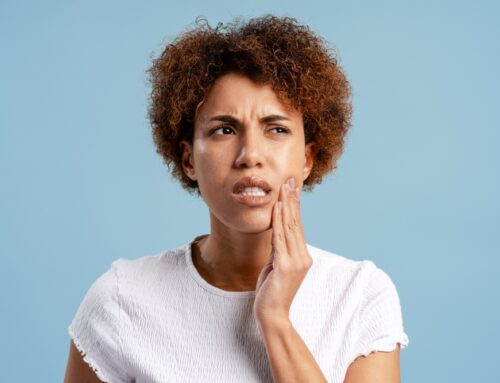
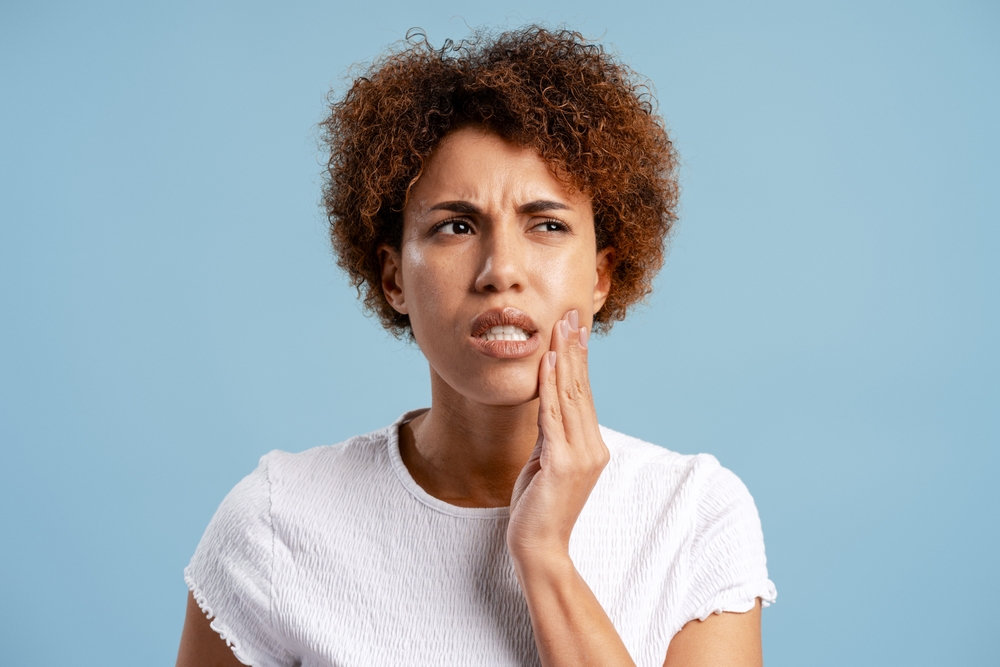
- Toothaches on vacation from delayed care or untreated cavities
- Lost crowns or fillings after eating sticky or crunchy snacks
If you damage a tooth, it’s best to call your dentist as soon as possible. If you get a tooth knocked out, keep it moist and make an emergency dental appointment. A lost crown or filling needs to be treated as soon as possible to avoid further damage to your tooth.
Preventing dental emergencies means wearing a mouthguard, not chewing ice or other hard things, and packing dental essentials when you go out of town.
Don’t Forget Your Lips
Your lips are part of your oral health and need protection during summer, too. It’s easy to overlook this part of your face when it comes to sun protection, but too much sun can leave lips dry, cracked, or sunburned, especially during long days outside.
Using SPF lip balm helps protect against sun damage and keeps your lips comfortable and hydrated in the heat. You can get sunburn on your lips, and over time, repeated sun exposure can also cause lip damage and long-term oral health risks.
Why Summer Is a Good Time to Schedule a Dental Visit
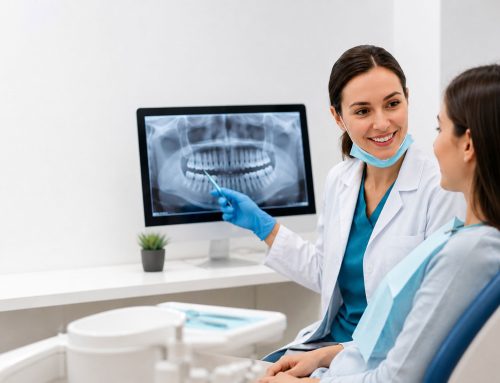
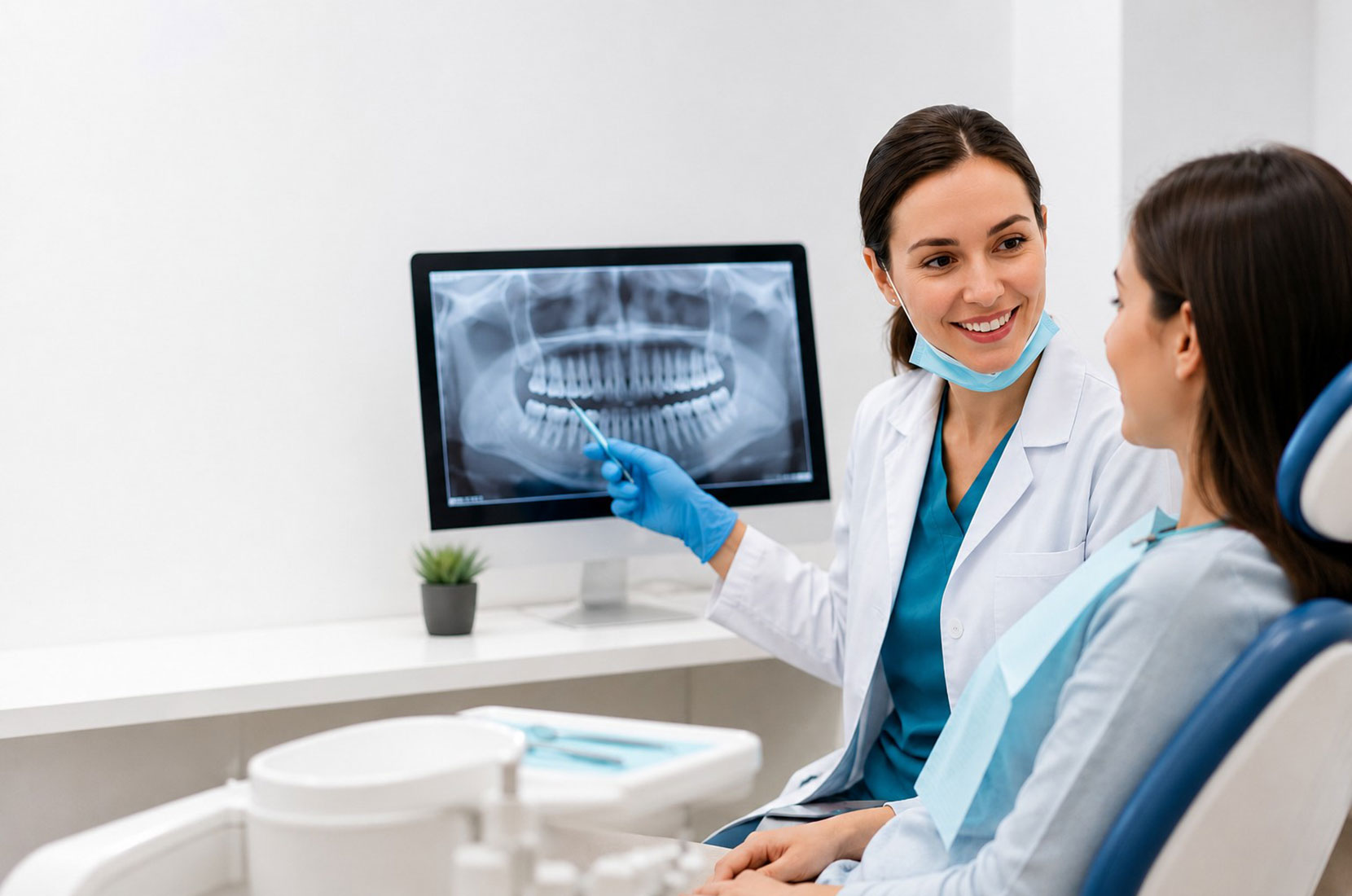
Summer is often one of the most opportune times to fit dental care into your schedule. With a little more flexibility before school starts, or if your work offers early release, like summer Fridays, you can take care of teeth cleanings, back-to-school checkups, mouthguard fittings, and other dental issues before they become bigger issues.
For many families in McDonough, summer offers a good time to schedule dentist’s visits without adding more stress later in the year. A quick dentist visit now can make it easier to head into fall with your oral health in check and one less thing to worry about when it comes to taking care of your well-being.