Taking care of your teeth is more than just remembering to brush and floss. While it’s true that brushing your teeth every day is essential, the condition of your toothbrush plays a big role in how effective your toothbrushing really is.
The bristles of your toothbrush wear down over time, which makes them less effective at removing plaque and protecting your teeth against cavities and gum disease. Replacing your toothbrush regularly is a good oral health habit that most people don’t do enough.
Why Replacing Your Toothbrush Matters
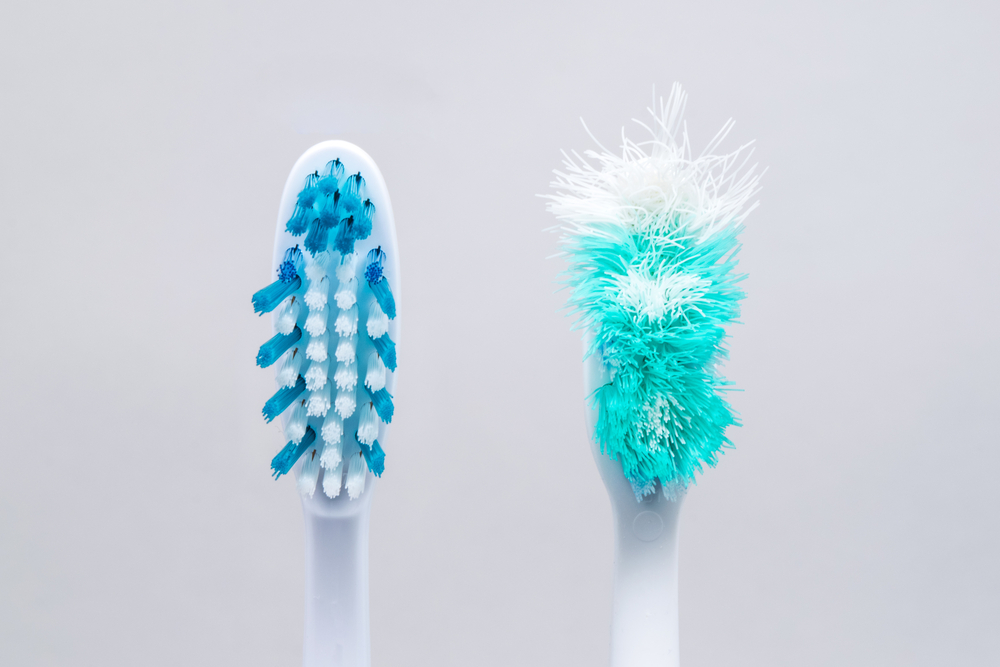
Your toothbrush can last a decent while, but it doesn’t last forever. Eventually the bristles will bend or fray, causing them to lose their shape. Once that happens, your toothbrush can no longer reach in between your teeth or along the gumline where plaque builds up.
In addition to normal wear and tear, your toothbrush can also harbor bacteria. While rinsing it when you’re done using it helps, it doesn’t get rid of the bacteria entirely. Using a worn toothbrush can cause:
- Increased plaque buildup
- Gum irritation or inflammation
- Persistent bad breath
- An increased risk of cavities
Signs It’s Time to Replace Your Toothbrush
Even if you can’t remember exactly how long you’ve had it, after some time your toothbrush will start to show signs that it needs to be replaced.
Frayed or Worn Bristles
When the bristles are bent outward or look uneven, your toothbrush is no longer cleaning your teeth properly. This is one of the obvious signs that it’s time for you to replace your toothbrush.
Foul Odor or Discoloration
If your toothbrush has developed an odor or has visible discoloration, it may have some bacteria or buildup that you can’t get rid of by just rinsing it.
Recent Illness
Replacing your toothbrush after you have recovered from a cold, flu, or illness will help you avoid reintroducing the same bacteria back into your mouth.
Age of Toothbrush
Even if it looks like it’s in great condition, it’s recommended that you replace your toothbrush after a few months. This is about how long a toothbrush lasts on average with normal use.
How Often Should You Really Replace Your Toothbrush?
Most dentists recommend that you replace your toothbrush is every three to four months. Paying attention to both how long you’ve had it and the condition it’s in is the best way to determine when to get a new toothbrush. However, the exact timing can vary depending on your habits and oral health.
For example:
- Children may need new toothbrushes more frequently because they tend to brush more vigorously.
- Braces or orthodontic equipment may wear down bristles faster
- Illness or conditions that cause dry mouth can increase bacteria
If you use an electric toothbrush, the same general rule will apply, but instead of replacing the whole electric toothbrush, you just need to change the brush head. Electric brush heads can wear out just as quickly or even faster than manual brushes, depending on your brushing habits.
Good Toothbrush Hygiene and Maintenance
Replacing your toothbrush is important, but taking good care of it between replacements is just as important. In order to keep your toothbrush clean and in good condition, you should rinse it thoroughly after using it to remove leftover toothpaste or residue and store it upright.
It’s also important to keep it separate from other toothbrushes and never share toothbrushes to avoid cross-contamination. Some people use protective covers, but these can sometimes trap moisture if not used properly so you should allow your toothbrush to dry out completely between uses.
There are several factors that can cause your toothbrush to wear out faster than expected:
- Brushing too hard or using improper technique
- Heavy plaque buildup or gum issues increasing friction on bristles
- Illness or medications that reduce saliva
- Vigorous brushing habits, especially in children
- Storing your toothbrush in a closed or damp environment
How Toothbrush Care Impacts Your Overall Oral Health
Your toothbrush is your first line of defense against plaque, cavities, and gum disease. When it’s in good condition, it helps remove harmful bacteria and keep your mouth healthy. But when your toothbrush is worn or improperly cared for, plaque and bacteria can build up more easily. This can lead to more serious issues that require more invasive dental work.
Good toothbrush habits should always go hand-in-hand with other dental habits like flossing, rinsing, and regular dental cleanings. Professional cleanings remove buildup that even a new toothbrush can’t reach so brushing alone is not enough to keep your mouth healthy.
Keep Your Smile Healthy by Replacing Your Toothbrush Regularly
It might seem odd that a small thing like your toothbrush could have such a big impact in your dental health but even small habits, like holding onto a worn brush a little too long, can impact your teeth and gums over time.
Being aware of when to get a new toothbrush isn’t just about following a rule, it’s about making sure you’re actually seeing the benefits of brushing with a good toothbrush. When your toothbrush is properly cleaning your teeth, gums, and tongue, everything else you do for your oral health becomes more impactful.