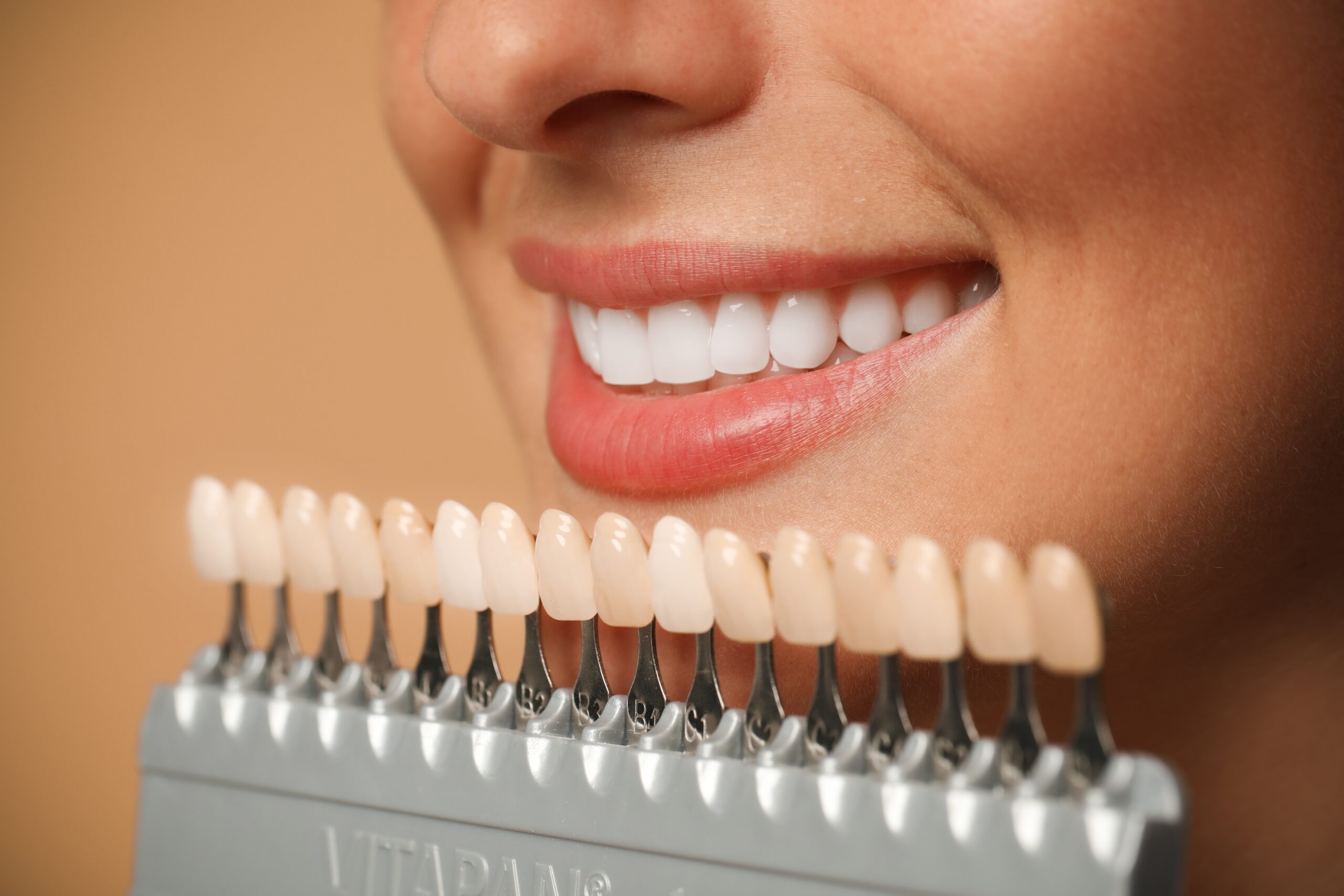
If you have existing dental work and are considering getting your teeth whitened, you may be wondering whether whitening will work with things like crowns, veneers, or fillings. Teeth whitening targets your natural enamel, so it typically cannot change the color of the materials used in most restorative dental procedures. However, that doesn’t necessarily mean you can’t get your teeth whitened with dental work. You just have to understand how your end results may be affected.
Knowing how the process works and how it interacts with your dental work will help you determine whether it is worth the investment.
How Professional Teeth Whitening Works
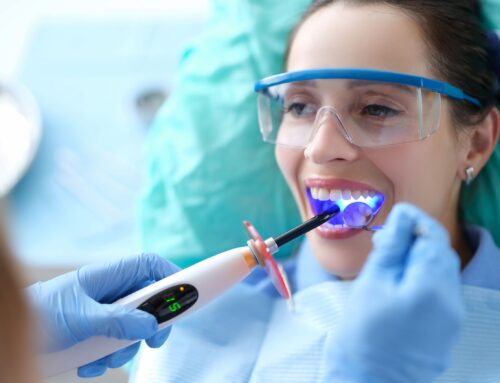
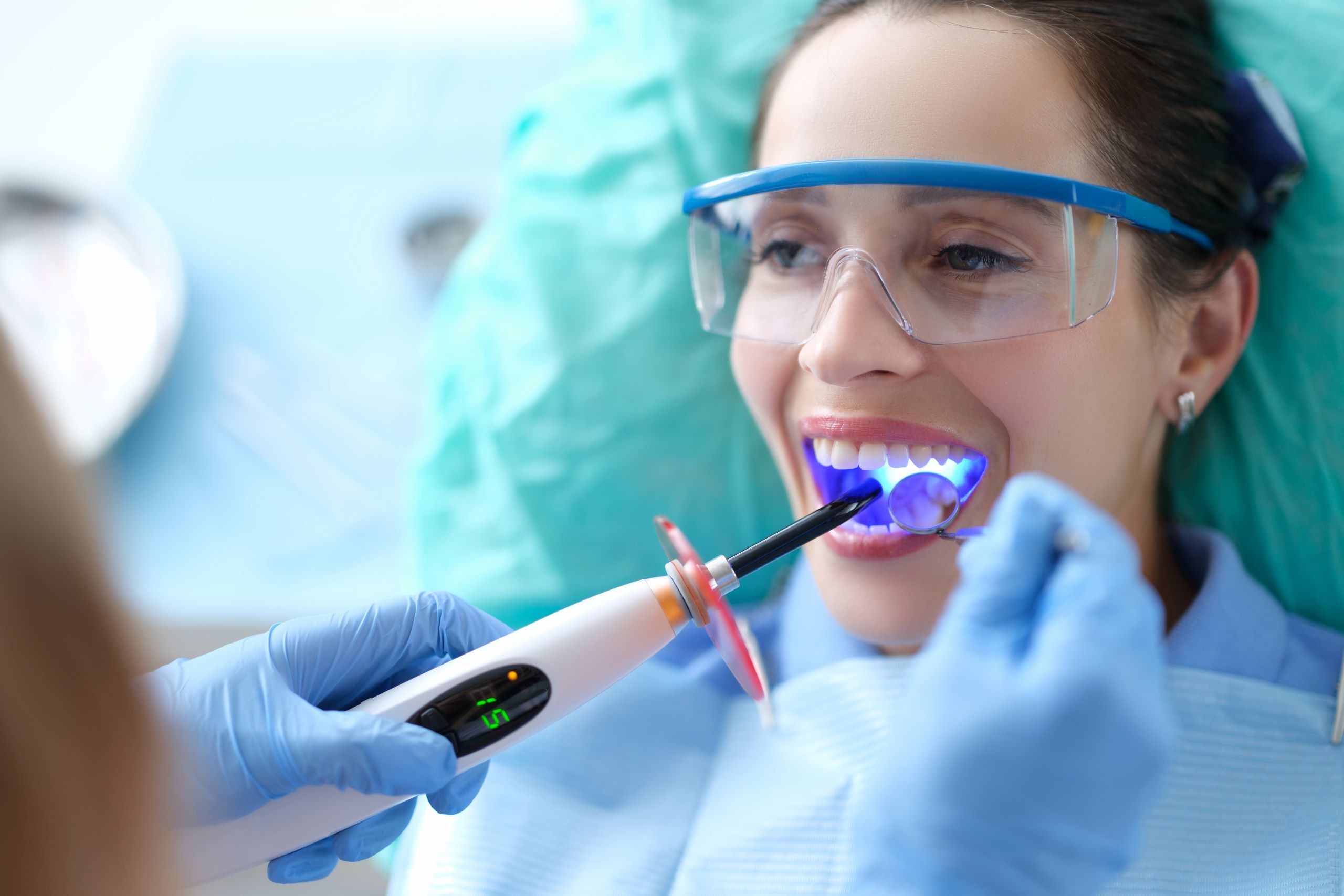
The professional teeth whitening process uses a peroxide-based bleaching agent that lifts stains from the surface of the teeth’s enamel. Because enamel is porous, the agent can penetrate deep and break down stains, revealing a whiter color underneath.
Since crowns, veneers, and fillings are made from non-porous materials, they do not respond to bleaching agents. This means whitening the dental work itself is not possible because the treatment can only affect your natural teeth. It cannot change the color of existing dental restorations. This can make any color discrepancies between your veneers or crowns and your regular teeth more noticeable.
Why Crowns, Veneers, and Fillings Do Not Whiten
Dental restorations such as crowns, veneers, and fillings are made of hard, non-porous materials that do not respond to bleaching agents. Unlike natural teeth, these materials do not absorb whitening treatments, so teeth whitening with crowns, veneers, or fillings will only affect the surrounding enamel, not the restorations themselves. DIY whitening options will also not impact any restorative dental work you’ve had done, since those bleaching agents are milder than professional ones.
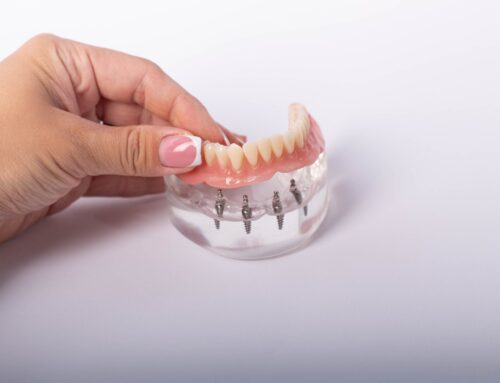
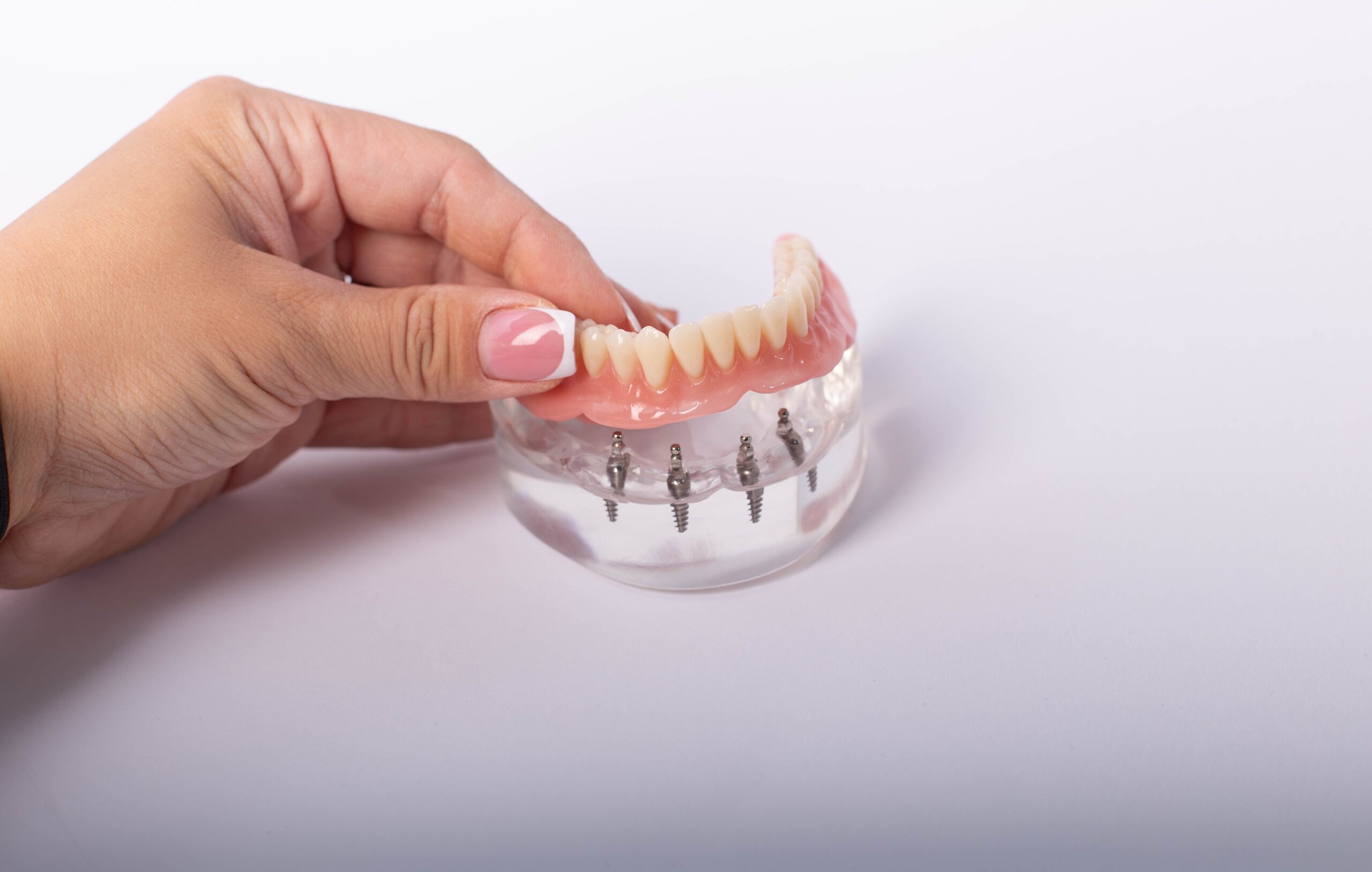
While professional cleaning or surface polishing can improve the appearance of your crowns or veneers, they cannot change their actual color. This means getting teeth whitening with dental work can sometimes create mismatched shades between natural teeth and restorations. Waiting to get any restorative dental work, even dental implants, until after you have your teeth whitened will ensure the materials used are matched to your desired shade.
What Happens When You Whiten Your Teeth When You Have Existing Dental Work?
If you decide to whiten your teeth after you’ve had restorative dental work, here’s what you can expect:
- Your natural teeth will whiten
- Your crowns, veneers, and fillings will stay their original color
- Your smile will have noticeable shade variations
- You’ll need additional cosmetic planning to address your mismatched smile
This is not a limitation of the tooth whitening process but rather a natural consequence of how tooth-colored restorative materials interact with the whitening agent. However, you can successfully combine teeth whitening treatments with dental restorations to achieve the white smile you’ve always wanted.
Working with a knowledgeable dentist will help you determine whether to proceed with whitening first, dental restorations, or a combination of both for the best outcome.
When Whitening May Not Be the First Step
There are some cases where getting cosmetic work done before any teeth-whitening treatments makes sense. Some of the situations where that might be the case are:
- You need a large number of highly visible restorations in the smile zone.
- You have older restorations that may need to be replaced after whitening.
- You are planning extensive dental work that could affect the overall color balance of your smile.
- You are looking for a full aesthetic restoration rather than whitening alone.
These scenarios do not mean whitening is ineffective, but they do highlight the importance of personalized treatment planning. A professional consultation helps determine the best sequence of cosmetic improvements.
How to Achieve Your Brightest Smile
If you have dental work and want a brighter smile, you have several options. You can:
- Whiten natural teeth first, then update restorations for color matching
- Combine whitening with restorative updates for comprehensive cosmetic enhancement
- Use professional-grade treatments for predictable, long-lasting results
- Plan treatment with your dentist to ensure balanced aesthetics
Working with a dentist can give you a customized plan to balance your need or desire for cosmetic restorations. Professional planning can give you results that look natural and meet your goals.
Is Whitening With Dental Work Safe?
Having your teeth whitened if you have crowns, veneers, and fillings is safe. The bleach used in professional tooth whitening does not harm the materials used in dental restorations.
Some people can experience tooth sensitivity after whitening, but it’s usually temporary. You can use toothpaste for sensitive teeth to help minimize discomfort, and you should always follow your dentist’s aftercare instructions.
Ready to Learn More About Whitening?
Teeth whitening is one of the most powerful tools you can use to improve your smile. However, it is important to know how it interacts with dental work to get the best results. If you are interested in whitening or have questions about cosmetic dental options, we would be happy to help you find the right solution.
Our team is here to answer your questions and create a personalized treatment plan. Schedule a consultation today to explore your options. We will work with you to develop a dental plan that meets your needs. Take the next step towards a brighter smile and a more confident you.