Maintaining good oral health requires more than simply brushing and flossing at home. While daily oral hygiene is essential, regular dental checkups and routine dental X-rays play a critical role in preventing disease, detecting problems early, and preserving a healthy smile for years to come. Many dental conditions develop gradually and without noticeable symptoms, making professional examinations an important part of overall healthcare.
One of the primary benefits of regular dental checkups is the ability to identify problems before they become serious. Tooth decay, gum disease, cracked teeth, and infections can often develop without causing pain or discomfort in their early stages. By visiting the dentist regularly, patients can receive prompt treatment for these issues before they progress into more complex and costly conditions. Early intervention not only helps preserve natural teeth but also reduces the likelihood of requiring extensive dental procedures in the future.
Professional dental cleanings are another important aspect of routine dental visits. Even patients who maintain excellent brushing and flossing habits can accumulate plaque and tartar in areas that are difficult to reach. Over time, these deposits can contribute to cavities, gum disease, and bad breath. During a professional cleaning, dental hygienists remove plaque and tartar buildup, helping to protect the teeth and gums while promoting a cleaner, healthier smile. Regular cleanings also provide an opportunity for dental professionals to educate patients on proper oral hygiene techniques and recommend personalized strategies for maintaining oral health.
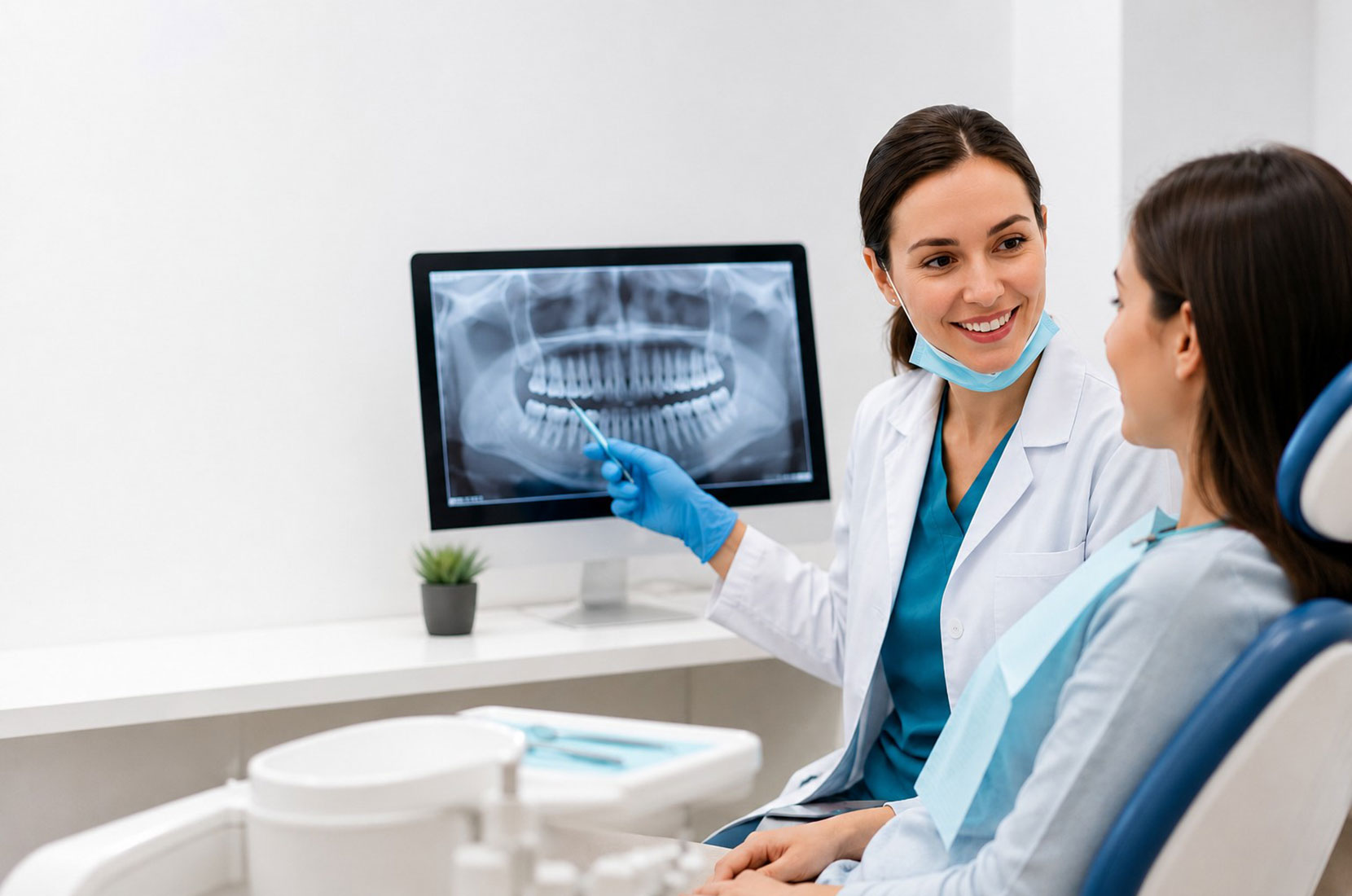
In addition to visual examinations and cleanings, dental X-rays provide valuable information that cannot be seen with the naked eye. Many dental problems occur beneath the surface of the teeth or within the jawbone, making X-rays an essential diagnostic tool. Dental X-rays allow dentists to detect cavities between teeth, bone loss associated with gum disease, infections at the roots of teeth, impacted teeth, and other abnormalities that may otherwise go unnoticed. By identifying these concerns early, treatment can often be completed before symptoms arise, preventing discomfort and more extensive damage.
Some patients express concerns about radiation exposure from dental X-rays. Fortunately, modern digital X-ray technology has significantly reduced radiation levels compared to traditional film-based systems. The amount of radiation received during routine dental imaging is extremely low and carefully controlled to ensure patient safety. Dentists recommend X-rays only when necessary and tailor their frequency based on each patient’s age, oral health status, and risk factors.
The importance of regular dental care extends beyond the mouth. Research continues to demonstrate a connection between oral health and overall health. Conditions such as gum disease have been linked to systemic health concerns including heart disease, diabetes, and certain respiratory illnesses. By maintaining healthy teeth and gums through routine dental visits, patients may also contribute to their overall well-being and quality of life.
For most individuals, dental examinations and cleanings are recommended every six months, although some patients may benefit from more frequent visits based on their specific needs. Establishing a consistent schedule allows dental professionals to monitor changes in oral health and address concerns before they become significant problems.
In conclusion, regular dental checkups and routine X-rays are essential components of preventive healthcare. They allow dentists to detect problems early, provide professional cleanings, monitor oral health, and identify hidden conditions that may not be visible during a routine examination. By investing in preventive dental care, patients can protect their smiles, reduce future treatment costs, and support their overall health. Regular visits to the dentist are not simply about maintaining attractive teeth—they are an important step toward lifelong wellness.