Veneers are a popular form of restorative dentistry and have become a more common option over the last decade for those looking to improve their smile. However, they are a big commitment, and there’s a lot to know about this aesthetic dental procedure. Getting all the information on the longevity of porcelain veneers and the signs of damage that might indicate the need for replacement is important before deciding whether they are right for you.
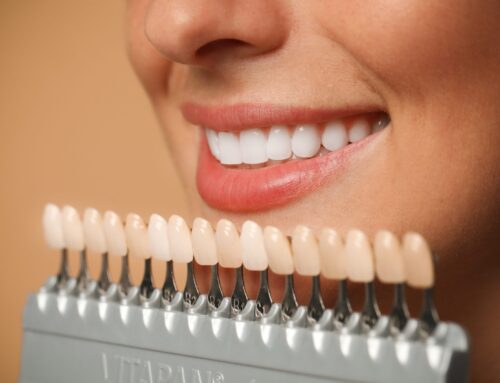
Porcelain veneers are designed to be durable and aesthetically pleasing, providing a natural-looking solution for chipped, stained, or uneven teeth. Although they are not considered permanent, they can last anywhere from up to 15 years or more with proper care.
The Average Lifespan of Porcelain Veneers
Porcelain is very durable and stain-resistant, which is why it’s used as a long-lasting cosmetic dental solution. However, the lifespan of porcelain veneers varies depending on several factors, including the quality of the porcelain, how the veneers were placed, and your daily oral habits.
Although porcelain veneers can last for 10 to 15 years, they can last longer with proper oral hygiene and dental care. However, like natural teeth, porcelain veneers are prone to wear over time. Although they do not decay, the bond between the veneer and the tooth, as well as excessive biting force, can influence durability.
However, with proper care, porcelain veneers can last for more than a decade. Some patients have even reported that their veneers have lasted 20 years or more.
Are Porcelain Veneers Permanent?
Porcelain veneers may not be permanent, but they are considered a long-term cosmetic solution due to their durability.
To place veneers, a small amount of enamel has to be removed from the surface of your tooth. This process allows the veneer to adhere properly and gives a natural appearance. Since your enamel does not regenerate, once this procedure is completed, you’ll always need veneers.
Although your veneers will need to be replaced eventually, their ability to enhance your smile long-term makes them a worthwhile investment for those seeking a more even smile.
Porcelain vs Composite: Which Material is More Durable?
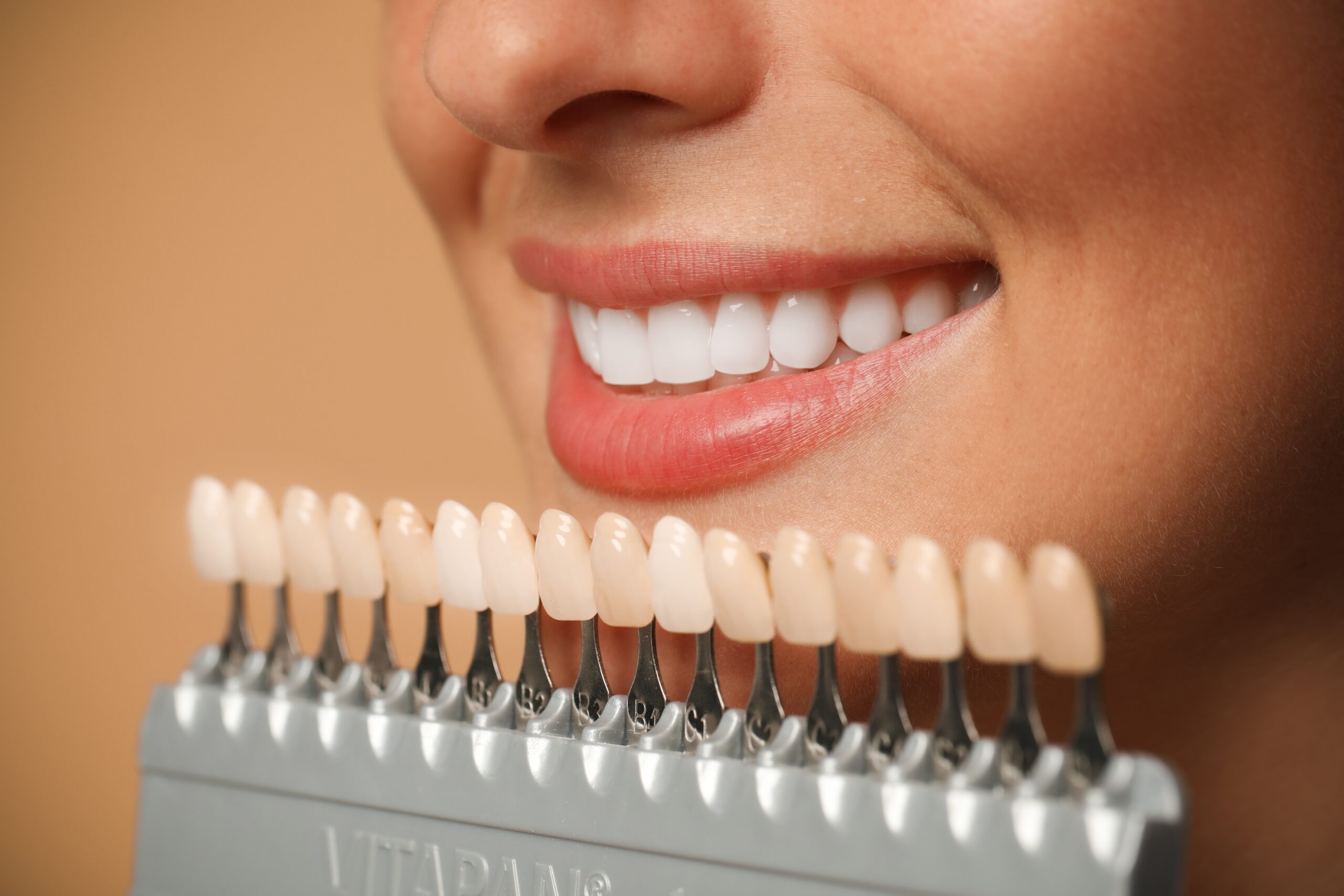
Unlike composite veneers, porcelain closely resembles the translucency of your natural enamel but is more stain-resistant. It is a more durable option because it is less porous and stronger than composite veneers.
Some of the benefits of porcelain veneers are:
- High-quality ceramic material that resists discoloration
- Strong bonding techniques that secure the veneer to the tooth
- Designs that distribute bite forces effectively
- Stain-resistance to acidic foods like coffee and wine
Although porcelain is strong, it is not indestructible. If you grind your teeth or bite down too hard, your porcelain veneers could break or chip.
5 Factors that Affect the Longevity of Porcelain Veneers
Oral Hygiene Habits
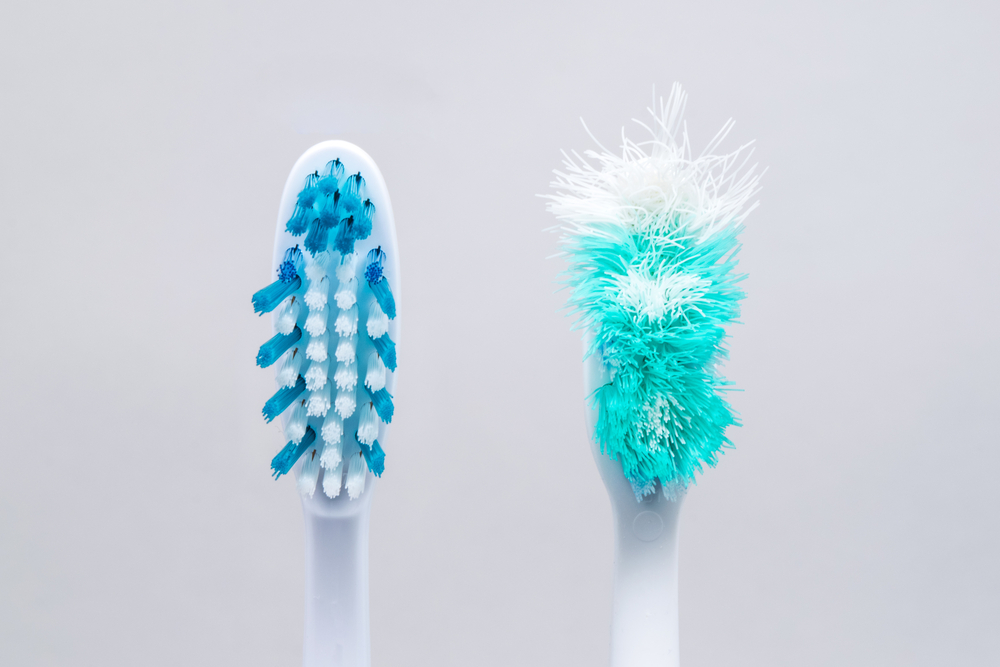
Good oral hygiene is essential for preserving your veneers. Habits like brushing twice a day, flossing regularly, and getting routine dental cleanings help prevent gum disease and maintain the integrity of the bond between the veneer and your tooth.
Teeth Grinding (Bruxism)
Grinding your teeth can cause increased wear on your veneers and shorten their lifespan. Wearing a night guard will protect your teeth by reducing pressure and preventing further damage that could require replacing your veneers.
Poor Bite Alignment
If your teeth are misaligned or your bite is uneven, excess pressure is placed on certain areas of your mouth. This can lead to chipping, cracking, or wear of the porcelain due to uneven pressure.
How You Use Your Teeth
While porcelain doesn’t stain easily, biting into hard foods like ice or hard candies can put excessive pressure on it and increase the risk of chipping or cracking. Using your teeth to open packages or tear things can also weaken your veneers over time.
Professional Execution
Having an experienced dentist perform the veneer procedure plays a big role in how long your veneers will last. A dental office that focuses on removing the thinnest amount of enamel possible and advanced tooth bonding techniques contributes to the long-term durability of porcelain veneers.
How to Extend the Life of Your Veneers
To maximize the lifespan of your porcelain veneers, these small habits can make a big difference:
- Brush and floss daily
- Attend routine dental cleanings
- Wear a night guard if you grind your teeth
- Avoid biting hard objects
- Limit acidic or abrasive foods
When Do Veneers Need to Be Replaced?
Even with excellent care, your veneers will eventually need to be replaced. Though it does not need to be done often, it’s an important factor to consider when evaluating how long porcelain veneers last. Replacing them when needed helps you avoid further damage to the remaining enamel beneath your veneers.
Common signs your veneers need replacing are:
- Visible chips or cracks
- Gum recession exposing edges
- Changes in fit or looseness
- Discoloration around the margins
- Increased sensitivity
Are Porcelain Veneers Worth It?
If you are seeking a long-lasting smile transformation, then porcelain veneers are an excellent investment. This type of veneer provides:
- Long-term aesthetic improvement
- A minimally invasive cosmetic solution
- Increased confidence
- Enhanced durability
Even though they require a certain level of care and will eventually need to be replaced, many people find that the benefits outweigh the limitations.
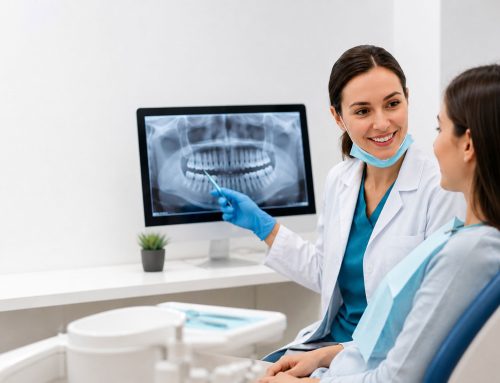
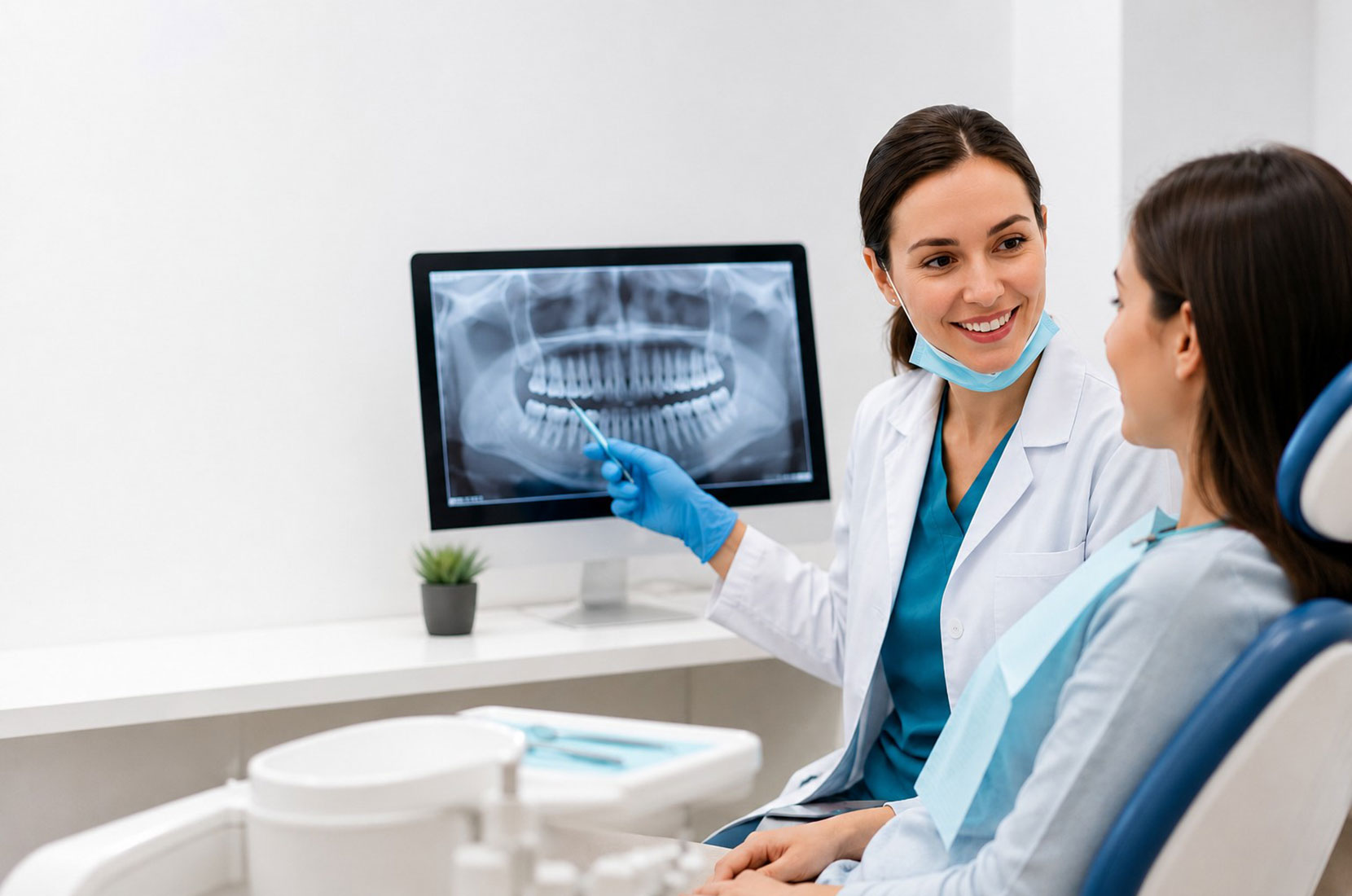
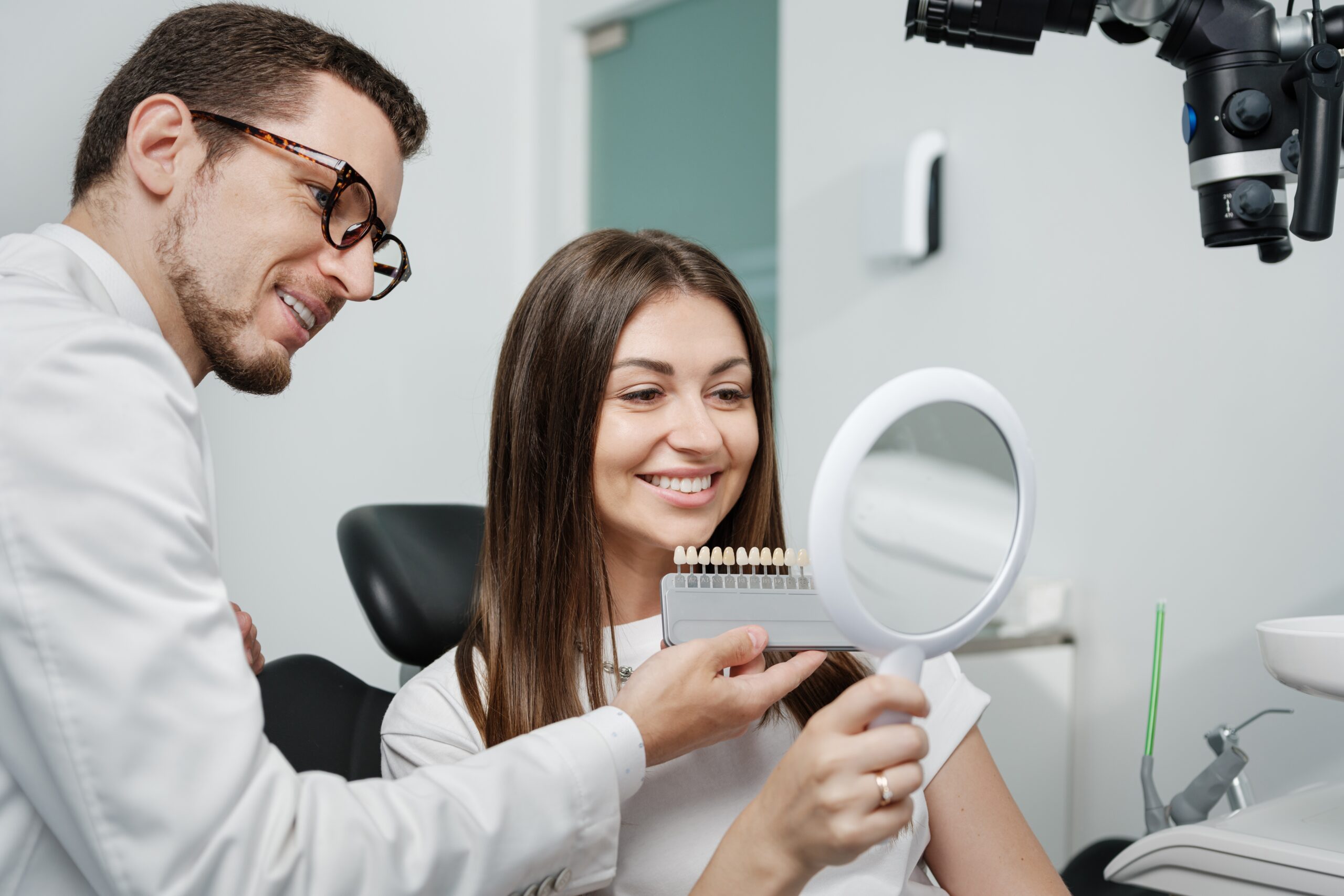
At Premiere Cosmetic and Family Dentistry, we will work closely with you to ensure that veneers are the best option for you. If you are considering porcelain veneers or want to learn more, our team is here to help. We provide individualized cosmetic dentistry solutions to help you obtain the smile you have always wanted.
Schedule a consultation today to discuss your options and discover how veneers can transform your smile.